Five signals worth knowing
14 Oct
Lead time
Each badge shows how many days ahead of mainstream coverage this signal is. We measure from publication date to first major outlet pick-up. Methodology →

01
Kering takes its Generation Award to India, partnering with Reliance on circular fashion
Awards programmes are bets on future markets. Kering is backing Indian circular fashion founders, not just Indian consumers.
If you have not mapped Indian circular materials startups into your sourcing or partnership...
What this means for your brief · £99/yr →Fashion & Style
7d ahead
02
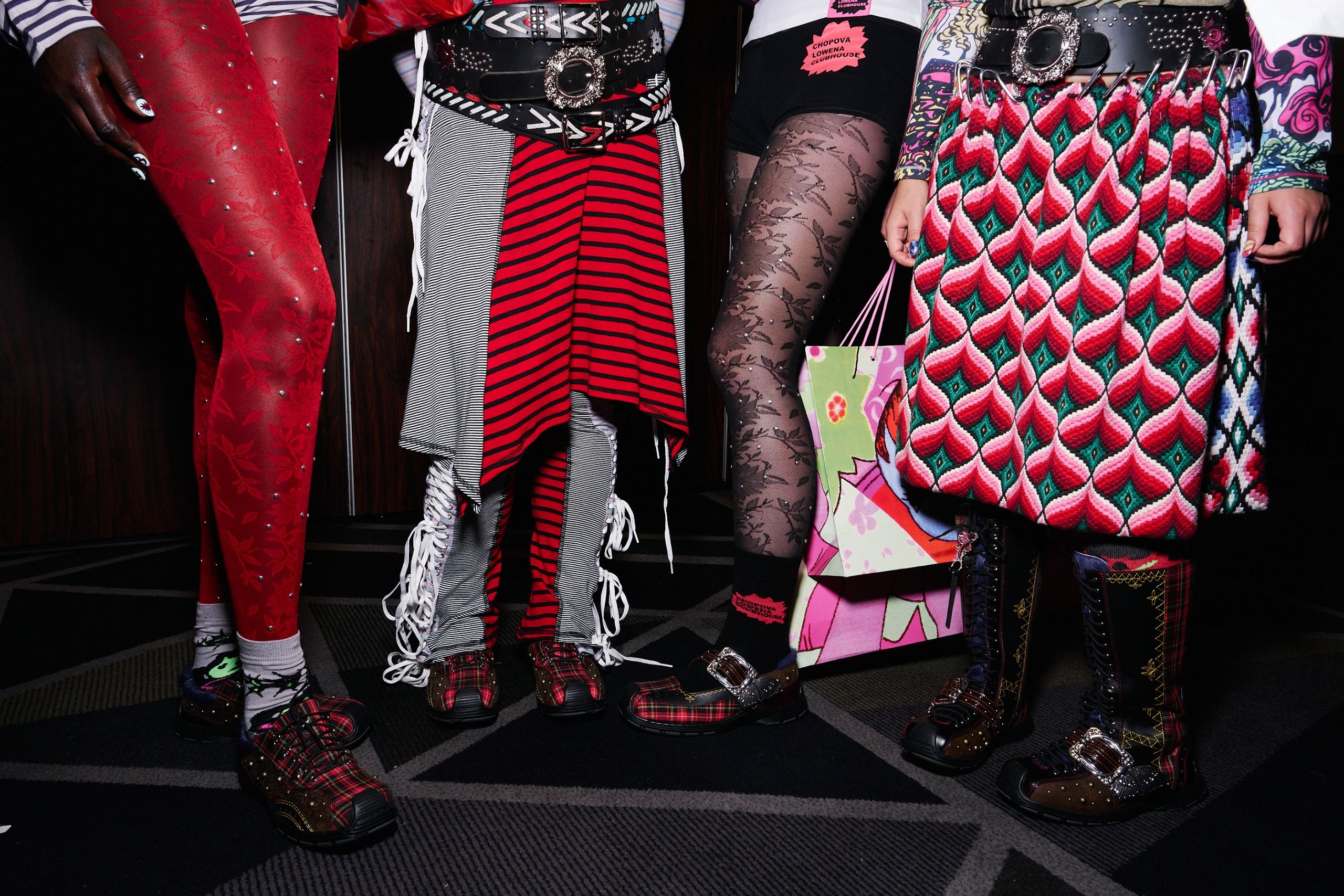
Dr Martens builds a craft-led London designer programme spanning Chopova Lowena, Sage Nation and Labrum
A heritage footwear brand investing in a multi-designer craft platform is a brand rebuild, not a collaboration drop.
A structured creative programme with four distinct London designers signals a deliberate repositioning strategy that competitors will notice when it gets press traction in six months.
via Wallpaper
Fashion & Style
14d ahead
.jpg)
03
Frieze London 2026 draws brand activations despite persistent art market uncertainty
Brands showing up at Frieze in a soft market are paying for cultural legitimacy, not audience reach.
Art fair presence during a buyer's downturn is a signal about brand confidence...
What this means for your brief · £99/yr →Art & Photography
3d ahead
04
Prada commissions Formafantasma to build a travelling ocean science exhibition for UNESCO
Prada is putting its name on educational science content, a long way from brand storytelling as it used to be understood.
When a luxury house co-produces content with UNESCO and an internationally respected design studio,...
What this means for your brief · £99/yr →Design & Architecture
10d ahead
05
OpenAI grapples with internal safety concerns over loop transformers as GPT-6.1 Sol details leak via Microsoft
The fact that Microsoft accidentally confirmed GPT-6.1's architecture matters more than the leak itself. It shows the supply chain around AI development is porous.
Brand and communications teams building on OpenAI's enterprise stack need contingency plans for the...
What this means for your brief · £99/yr →Tech & Digital
5d ahead